Table of Content
The oxygen you breathe in may have difficulty getting to parts of your body distant from your lungs and may develop a blue tinge. When it starts it'll probably feel like the worst case of flu you've ever had, with a high temperature, headache and aches and pains. Sooner or later you'll develop a cough with phlegm that can be a green or yellow colour. You might become breathless and develop chest pain on deep breathing.

If you want to try a cough suppressant, use the lowest dose that helps you rest. Home remedies can't treat pneumonia, but they can be used to effectively manage its symptoms. Aspiration pneumonia has been shown to increase mortality in people who are hospitalized with community-acquired pneumonia if they aren’t in an intensive care unit . Medical News Today has strict sourcing guidelines and draws only from peer-reviewed studies, academic research institutions, and medical journals and associations. We link primary sources — including studies, scientific references, and statistics — within each article and also list them in the resources section at the bottom of our articles. You can learn more about how we ensure our content is accurate and current by reading our editorial policy.
How long does it take for aspiration pneumonia to develop?
Don’t hesitate to go to the doctor if you’re coughing up colored sputum or have a lingering fever over 102°F (38°C) in addition to the symptoms mentioned above. Aspiration pneumonia is a complication of pulmonary aspiration. Pulmonary aspiration is when you inhale food, stomach acid, or saliva into your lungs. You can also aspirate food that travels back up from your stomach to your esophagus. The type of object inhaled and the strain of bacterial infection may also play a role in a person’s recovery. A sputum culture test, complete blood count , or arterial blood gas test can help gauge how severe the infection is and what type of treatment is required.

Whether intact male dogs are more likely to be attacked is something important to consider especially if you own an intact male dog or run a day care. 7.Liu C, Cao Y, Lin J, Ng L, Needleman I, Walsh T, Li C. Oral care measures for preventing nursing home-acquired pneumonia. Prevention and prognosis of aspiration pneumonia greatly depends on the underlying cause.
Stages of Aspiration Pneumonia
If there is too little oxygen in your body, your body cells cannot work properly. Because of this and the infection spreading through the body, pneumonia can cause death. Most people can be treated with antibiotics and usually recover within two weeks. When a dog has pneumonia, there is inflammation and therefore increased secretions which may often be extremely viscous and difficult to cough up.
It’s essential to seek medical care if pneumonia symptoms develop. The typical pneumonia treatment plan consists of rest, antibiotics, and increased fluid intake. You should take it easy even if your symptoms begin to subside. Coughing helps to rid your body of the infection by removing fluid from your lungs, so you don’t want to stop coughing completely. But you may want to reduce how much you cough so that it doesn’t interfere with your rest or cause further pain and irritation. When the same sort of thing happens to someone who isn’t able to cough the food or drink out of their lungs, aspiration pneumonia may result.
How long does it take for aspiration to turn into pneumonia?
You may also need therapy to help with any swallowing difficulties that might have caused the aspiration in the first place. Healthy adults can fight a few germs that enter the lungs from other areas of the body. It's not surprising therefore that aspiration occurs mainly in the elderly and frail.
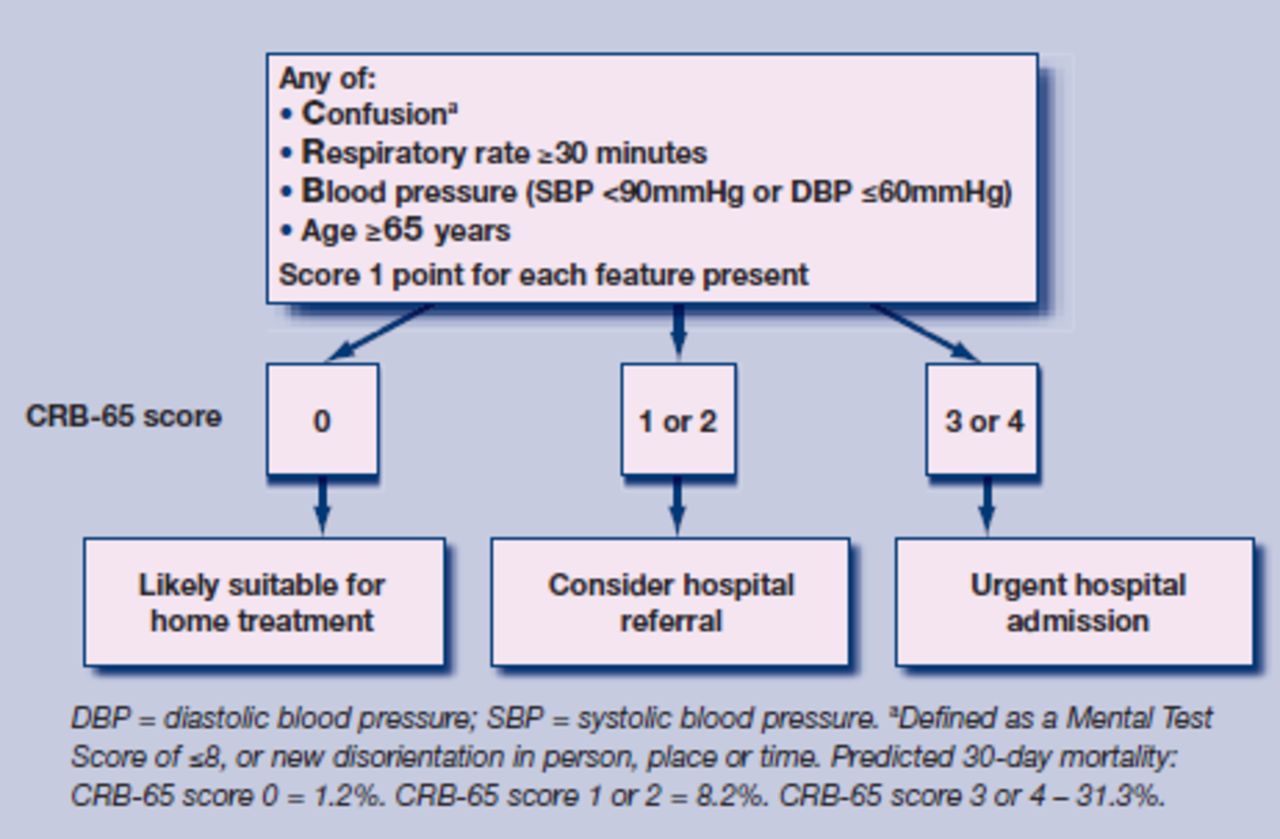
Gastric fluids usually do not have bacteria and are more likely to cause pneumonitis. The types of bacteria that cause aspiration pneumonia are different than the bacteria and viruses that cause more common pneumonia that starts outside the hospital, called community-acquired pneumonia. Aspiration pneumonia is treated primarily with antibiotics. (Viral pneumonia requires treatment with antiviral medications.) The choice of antibiotics depends on several things, including any allergies to penicillin and where the pneumonia was acquired. Hospital-acquired infections must be treated with antibiotics that are effective against many types of bacteria. The chance of recovering from aspiration pneumonia depends on the original cause, how well you were before you developed it and whether you had any complications.
People who are able to cough may cough up discolored sputum. People who are alert may complain of difficulty breathing and chest pain. A doctor examining the person with aspiration pneumonia may hear crackling noises in the lungs or decreased airflow. A person with very low oxygen may have blue-colored lips or fingernails, called cyanosis. Risk factors for pneumonia caused by P. aeruginosa were identified in a study of 559 cases of CAP, including 45 cases of nursing home–acquired pneumonia. Failure of the natural defense mechanisms like the closure of the glottis and cough reflex increases the risk of aspiration.
Now that you are familiar with the types of pneumonia, understanding its causes is a lot easier. Write down key personal information, including exposure to any chemicals or toxins, or any recent travel. Keep a record of any symptoms, including your temperature. A fluid sample is taken by putting a needle between your ribs from the pleural area and analyzed to help determine the type of infection. Blood tests are used to confirm an infection and to try to identify the type of organism causing the infection.
You can also take some preventive tips to avoid the recurrence of this infection. The hot steam from water can help relieve cough and congestion by breaking up the phlegm in your lungs. It is also antimicrobial and kills the microbes causing the infection .
This type of pneumonia is usually more common in older adults or immunocompromised individuals, but it can happen to anyone. The tongue, soft palate, and epiglottis work together to close the space leading into the trachea and allow a food bolus to continue down the esophagus and finally into the stomach and intestines. When swallowing, there is a momentary stop in breathing to ensure that food travels down the correct path of the esophagus. Pneumonia can be diagnosed by your doctor with the help of a simple physical examination using a stethoscope.
In fact, pneumonia is a factor in 4 million deaths a year and is the eighth leading cause of death in the United States. Additionally, pneumonia can exasperate other conditions and cause permanent lung damage. Dr. Casciari lists off other potential causes, including being hit in the stomach, having a hiatal hernia , and even being intoxicated as leading to aspiration pneumonia. "One of the worst cases I've ever had of aspiration pneumonia was a young man who got drunk and passed out at a fraternity party," he says.




No comments:
Post a Comment