Table Of Content
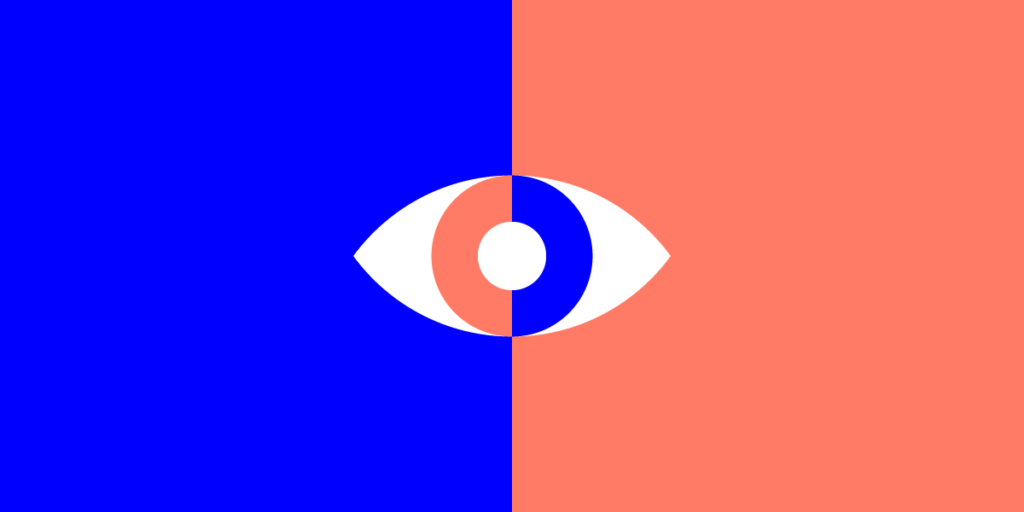
Designers often use complementary colors to draw immediate attention to specific elements within a composition. This technique can be particularly effective for call-to-action buttons, headlines, or any element that needs to stand out. Combining textures, like matte vs. glossy finishes, or smooth vs. rough, adds another layer of visual interest through contrast.The key is finding conceptual contrasts that enhance the underlying message and mood. Contrast is a crucial aspect of visual hierarchy and an essential element in graphic design. It is a wonderful technique to draw the viewer’s attention while also organizing your elements in your graphic design by concentrating the eye on the most significant areas of it.
Contrast of size
The logo combines crisp, angular geometric shapes (rectangles and triangles) with sleek, thin lines that emphasize the structural precision and modernity of the firm’s designs. The interplay of these contrasting spatial elements not only conveys a sense of innovation but also hints at the firm’s attention to detail. Contrast is one of the most important principles in design, and it goes much further than just light and dark color values. All these elements of contrast should work together in a layout or design to help achieve the final look.
FAQ on creating contrast in design
Guide to inclusive design: 6 ways to design for everyone - Creative Boom
Guide to inclusive design: 6 ways to design for everyone.
Posted: Thu, 12 Aug 2021 07:00:00 GMT [source]
Strategically sizing objects to be different relative scales activates the space and creates visual tension. Of the design principles, contrast is one of the most effective techniques for drawing attention to important elements or a key message. It can be as simple as using light and dark colors and big and small sizes. Or, it can be more complex and involve using different shapes, textures and values.
Best Resources For Graphic Designers
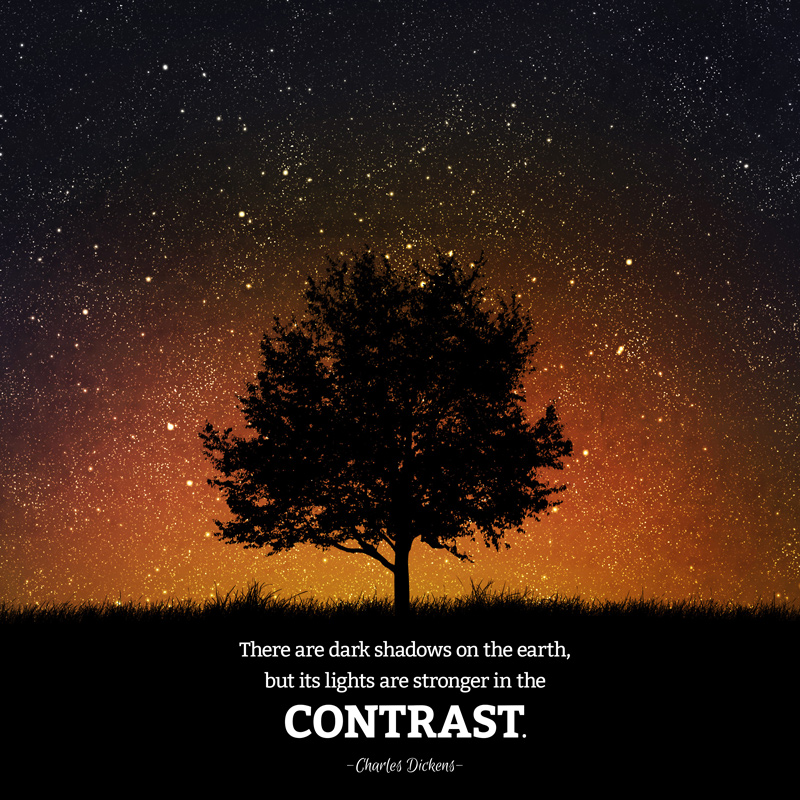
In the digital accessibility section of this book, I wrote about color contrast but in graphic design theory, contrast expands beyond just color. In graphic design, contrast is defined as two or more elements that are visually different from each other in a composition. The more difference detected, the greater the contrast between the elements. Contrast is useful for creating a focal point that visually draws your eyes to it first. Contrast helps establish hierarchy and can be used to visually balance elements on a page by giving weight, size, color, shape, or direction. Contrast creates better visual design and it also helps promote accessibility.
Contrast type
Harmonizing colors (colors that are adjacent to each other on the color wheel) can appear washed out if there's not enough difference in value between them. This article explains several ways to use contrast to improve graphic designs. If you examine the image above, you can see this layout is almost entirely made up of rectangles. The images are rectangles, as well as the different graphical elements. The thing that will probably stand out to you the most, however, is the lamp because it's the only element in the composition that isn't a rectangular shape, and your eye goes directly to that image first. An excess of contrast creates tension and confusion in a composition.
How to Design an ADA-Compliant Website CO- by US Chamber of Commerce - CO— by the U.S. Chamber of Commerce
How to Design an ADA-Compliant Website CO- by US Chamber of Commerce.
Posted: Thu, 04 Jan 2024 08:00:00 GMT [source]
The Top 5 iPads for Graphic Designers in 2024
Application requirements include a bachelor’s degree in the same field or other criteria as stipulated on the program website. Degree recipients can also apply to terminal programs in their field, such as a Ph.D. Contrast is closely related to other design principles like balance, emphasis, and unity.
When working with a layout, it’s best to discreetly vary the font used. Find places where you can create variation, such as areas of significance. Creating contrast of type can also mean using the same typeface, but utilizing both bold and light or regular.
What You Should Know About This Degree

I later found out who designed the signs, why they were designed that way, and all about the accessibility of certain fonts and colors. Don Meeker is a famous sign designer who developed the font Clearview, often found on highway signs across the country. He did extensive research on the legibility of this font and the contrast it makes with the green background. His designs are also found at several National Parks across the United States. Sign designers are often called environmental designers because they help wayfinding.
For example, try the light, regular and bold styles to create contrasting effects. Choosing colors that complement your overall color scheme is another technique for making sections of text stand out. Color is a key principle for creating contrast in graphic design. An example of this is a basic white background with solid black text. The use of contrasting colors that are in conflict tends to irritate or confuse the eye.
To use contrast effectively, you need to understand its purpose in your design. Are you trying to highlight a specific element, guide the viewer’s attention, or simply create visual interest? Once you know this, you can experiment with different attributes like color, size, shape, and texture to create contrast. Remember, contrast is not just about making things different, but making them different in a way that serves your design’s purpose. Placing large and small visual elements next to each other creates scale contrast. Varying the scale of different components makes a composition more dynamic.
Organic shapes are irregular and unpredictable, while geometric shapes have precise edges and consistent curves. Knowing when to use contrast and which elements to oppose isn’t always obvious. I’ll cover the different ways to use contrast in your designs a little later on, so stay tuned. Placing a large object or block of text beside a small object or block of text has an impact. The eye naturally seeks out the larger object, interpreting it as more important. This type of contrast adds interesting diversity to your composition, and it is especially useful when you are working with limited space.
It's necessary that you find the areas in your design where you want the viewer to focus on. In the image below, you can see a very simple example of contrast of size. It feels natural; something big beside something small will indicate the big item is far more significant. Download my FREE eBook that explain the 9 principles every designer should master.
Distressed textures can also add rustic or retro charm to a design. If your creation is looking a little too classic or plain, adding a gritty texture is a good way to give it more character. After all, if everything was matchy matchy, a design would be monotonous and boring.
Options include enrolling in a degree or certificate program. Graphic design software companies award certifications to designers who pass an exam and meet other requirements. Applicants to master's in graphic design programs usually submit a portfolio, personal statement, and resume. Classes vary by program but may cover topics like typographic voice and design research.




No comments:
Post a Comment